Physical Address
304 North Cardinal St.
Dorchester Center, MA 02124
Physical Address
304 North Cardinal St.
Dorchester Center, MA 02124
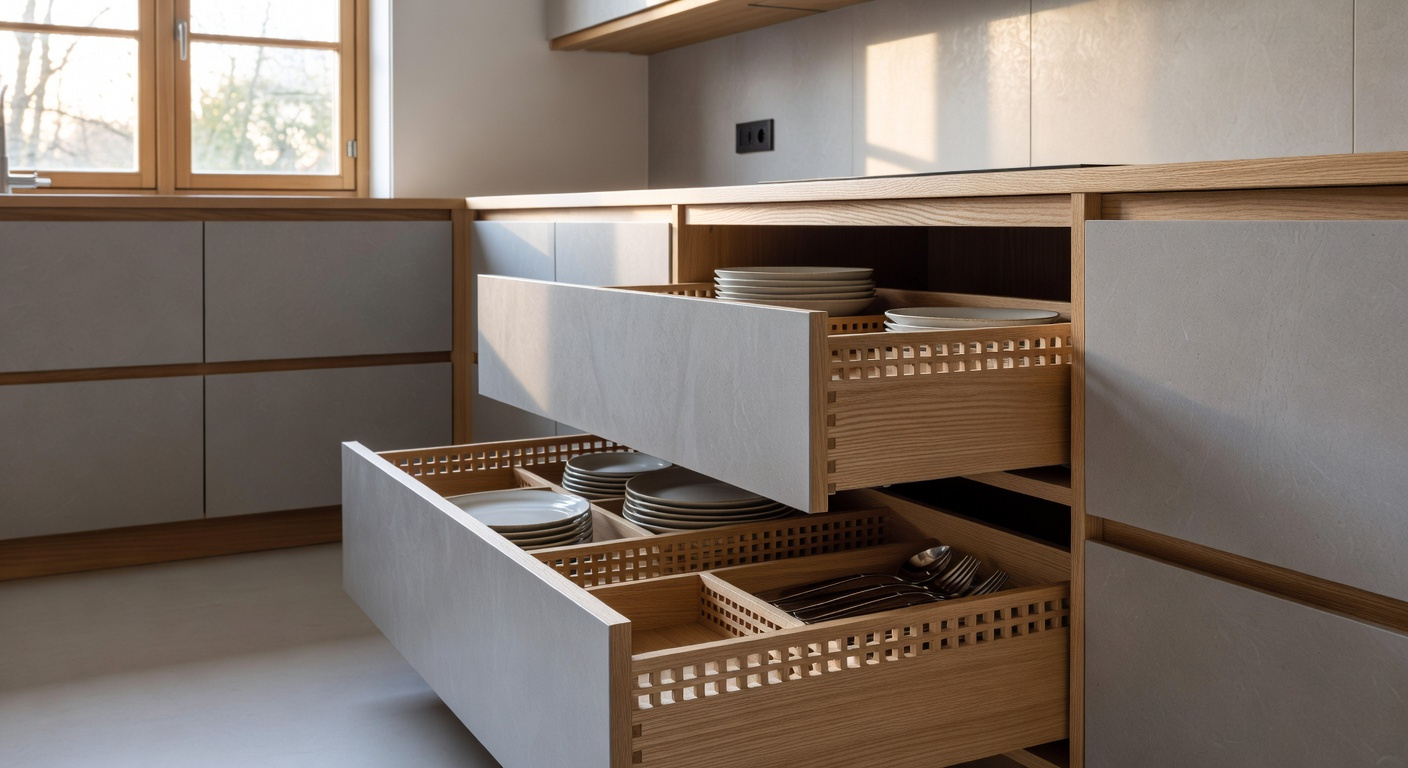
Master your home with premium kitchen storage solutions. Explore Nordic intentionality, bespoke cabinetry, and minimalist design for a serene space.
Order brings a genuine sense of peace. Back in the 1930s, the Swedish Functionalism movement completely reimagined how we organize our cooking spaces. They rejected those rigid, laboratory-like layouts. Instead, they embraced a humanistic approach. Today, sophisticated kitchen storage solutions still carry that Nordic intentionality. Active storage simply means keeping things visible and within reach. Pull-out drawers with solid ash dividers, for example, cut down on the mental friction of cooking. Passive storage, on the other hand, relies on visual silence. Handleless pantry walls gracefully hide bulky appliances. This kind of intentional layering prevents daily clutter-panic and creates a refined ergonomic workflow.
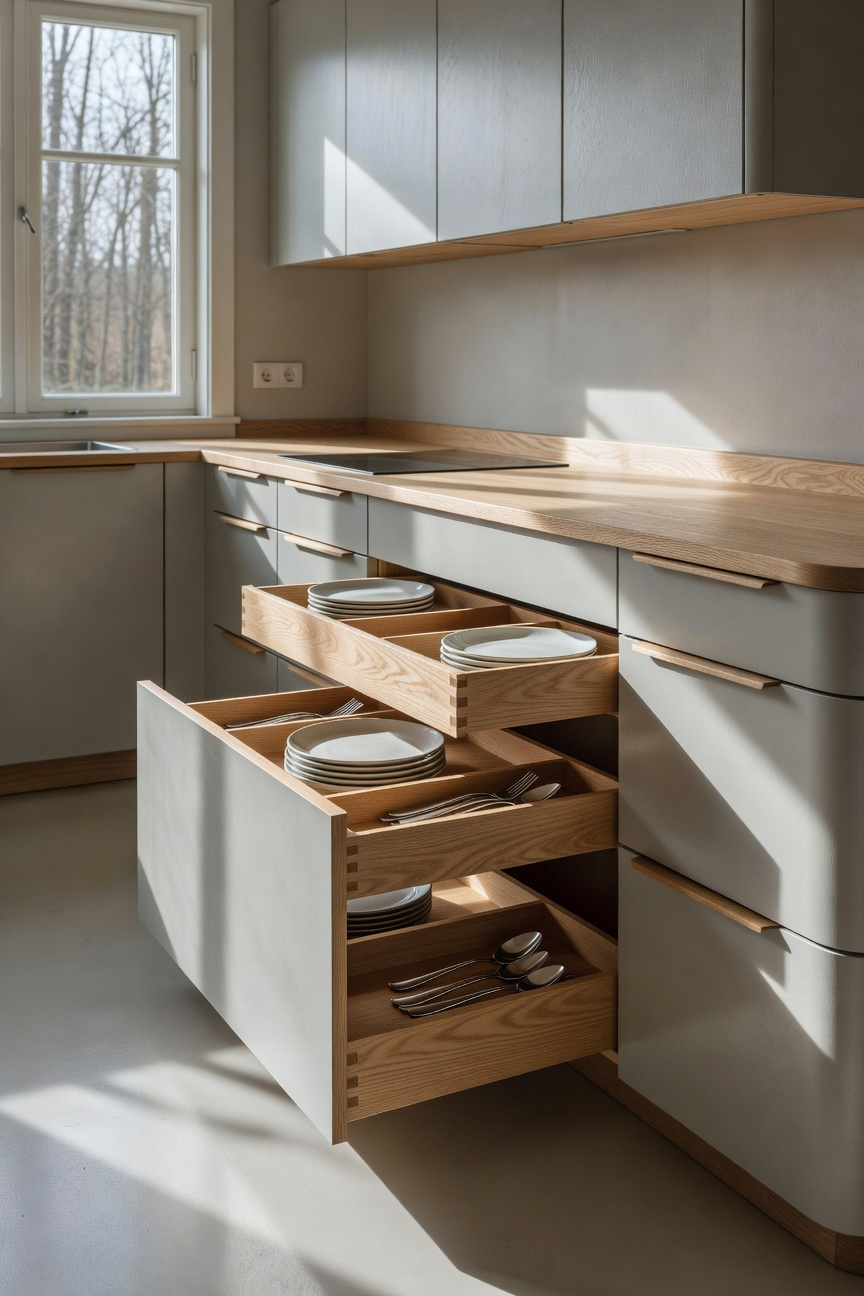
I’ve always loved the concept of brukskunst—the idea that everyday objects carry their own kind of art. Authentic Nordic kitchens don’t actually want that cold, sterile minimalism. A single open shelf often acts as a curated stage. You might see light oak or Douglas fir holding a favorite piece of heavy stoneware. But this requires you to honestly evaluate your belongings. If a tool lacks a daily purpose, put it away. If you never use it, get rid of it completely.
Sensory details also help anchor these modern rooms in nature. Builders rely on honest, tactile materials. Cabinet interiors frequently feature warm, natural birch. When you open a drawer, you actually catch a gentle, woody scent. Regional larders used to rely on a cool marble shelf to store food. Modern designs often incorporate inset stone surfaces in the exact same way. Root vegetables stay fresh longer without taking up fridge space. Solid wood glides and breathable linseed oil finishes also guarantee true longevity. In fact, building for the next generation is what defines bespoke cabinetry.
Extreme seasonal shifts require adaptable layouts. The modern pantry tower handles these cycles beautifully. Modular shelves adjust easily when you need to store seasonal goods. Autumn might demand deeper shelves for heavy pickling jars. Next, winter rolls around and you need specialized baking equipment front and center. The room simply shifts to support your life.
The Swedish idea of lagom means taking just enough to ensure a fair share. A lagom pantry rejects both chaotic stockpiles and aggressively empty shelves. Instead, it aims for a comfortable, functional middle ground. Specifically, we design these spaces to combat daily decision fatigue.
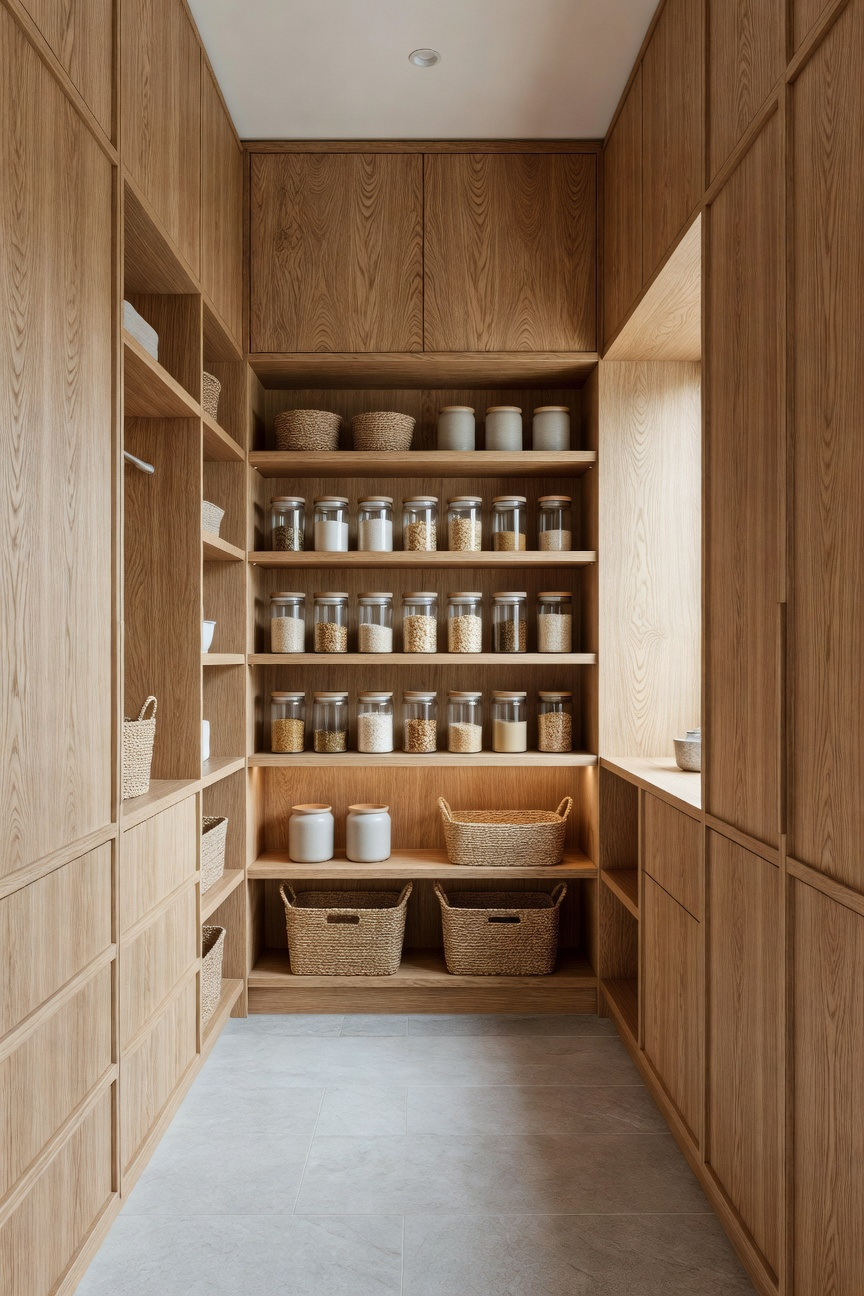
Aesthetically, this means choosing thoughtful materials for a dedicated kitchen storage pantry. Rippled oak cabinets offer tactile warmth without adding visual noise. Inside, staples rest in uniform glass jars so you know exactly what you have. You can instantly see your remaining resources at a glance. In fact, this transparent approach prevents duplicate grocery purchases and reduces mental exhaustion.
Successful curation relies on a solid dry goods backbone. You stock versatile, high-quality staples rather than single-use ingredients. Then, you simply maintain a mindful one-in, one-out replacement habit. Unlike the sterile perfection of pure minimalism, lagom remains highly forgiving. It openly welcomes beautiful ceramic heirlooms, provided they actually support your practical routines.
Keeping your food visible also cuts down heavily on waste. When you can see your ingredients, you are much more likely to cook them. The resulting space feels harmonious, purposeful, and genuinely comforting.
Appliance garages have evolved far beyond their dated 1980s origins. They are now a cornerstone of warm, minimalist aesthetics. Modern open-concept floor plans absolutely require a sense of visual quiet. Psychologists often define countertop clutter as an exhausting series of deferred decisions. Exposed blenders and toasters serve as constant visual cues that increase your cognitive load. In fact, research links persistent visual noise to elevated cortisol levels. Concealing these bulky appliances acts as a powerful neurological filter. You get to enjoy a calming sanctuary that promotes genuine well-being.
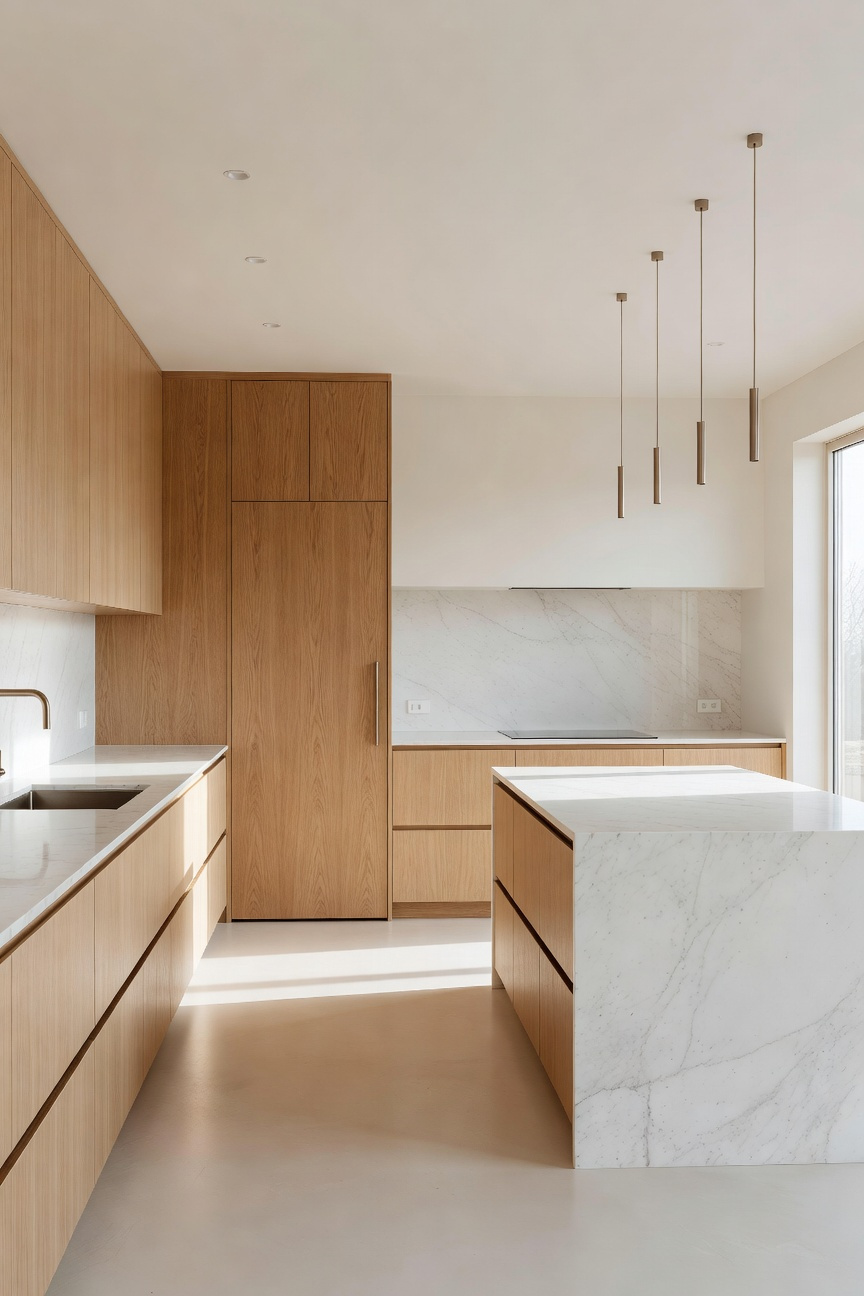
A high-end appliance garage prioritizes a soothing sensory experience. The transition from chaotic cooking to calm living needs to feel effortless. Luxury sliding doors engineered for silence provide a deeply satisfying hush. Opening a minimalist cabinet can reveal warm, tactile surprises inside. Rich walnut interiors paired with integrated LED lighting create a beautiful jewelry-box effect. Fluted glass inserts offer a veiled visibility that feels sophisticated. You still get to admire a beautiful espresso machine, just without the tangled cords.
Concealing everyday appliances usually means sacrificing valuable countertop depth. However, innovative designers are solving this by building vertical tower garages. These tall architectural units easily alternate between active morning modes and closed evening modes. They transform a basic storage box into an intentional task station. Dedicated beverage centers feature pull-out stone shelves for morning coffee rituals. Heavy-duty interior lifts can even raise a stand mixer up to a comfortable working height. These thoughtful zones perfectly balance cozy comfort with sleek architectural surfaces.
Designers used to rely heavily on the traditional kitchen work triangle. However, modern Scandinavian design embraces a much more organic approach. We now prioritize purpose-driven zonation over simple geometry. This mindset is key for implementing kitchen design ideas that emphasize real efficiency. The room effectively becomes a series of self-contained action neighborhoods. A dedicated prep zone acts like a functional cockpit. Your warm oak cutting boards and heavy knives rest perfectly together. A cook can often complete most tasks without ever moving their feet.
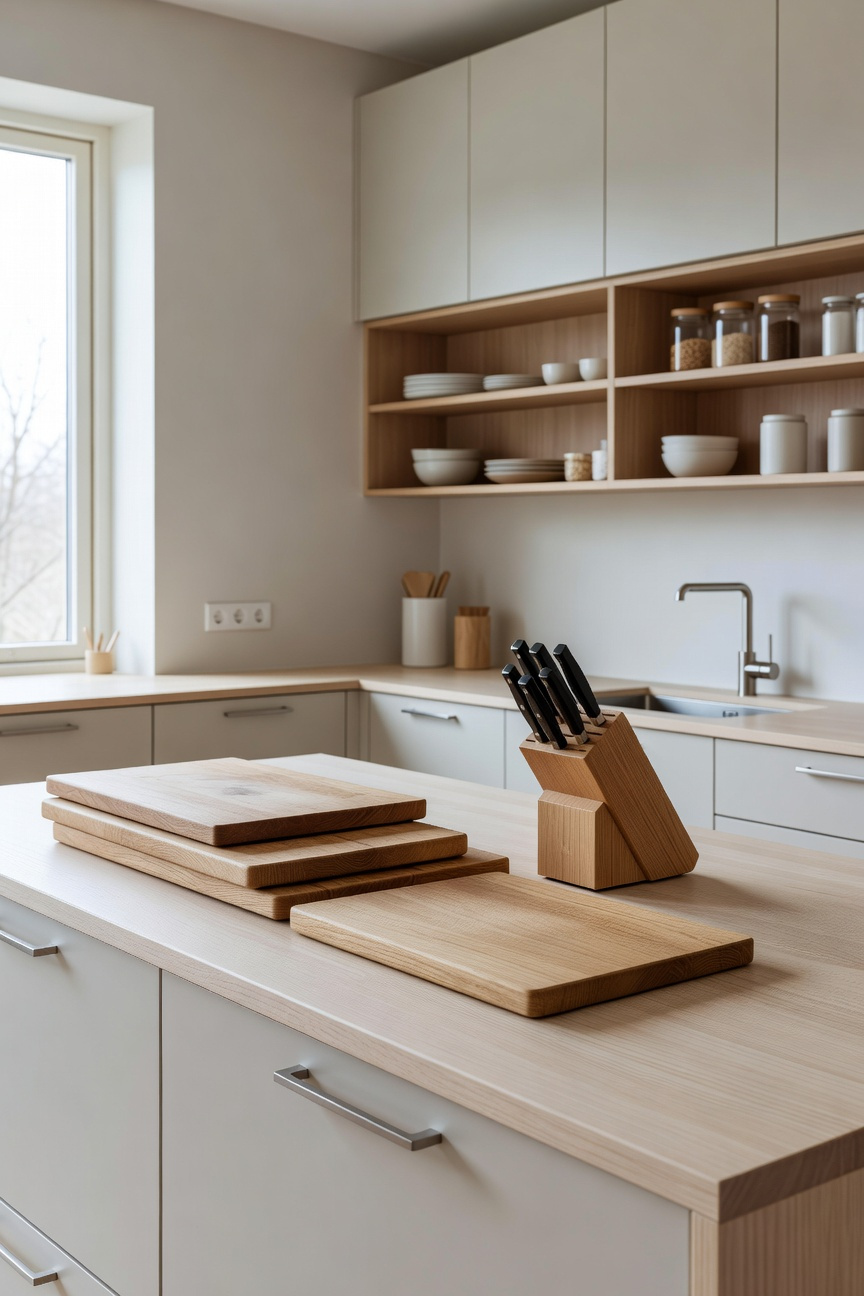
Smart ergonomics play a huge role in this level of comfort. We store everyday ceramics right within the ergonomic golden zone. This intuitive area spans comfortably between your waist and eye level. Traditional lower base cabinets with fixed shelves are practically ergonomic failures today. Instead, we utilize full-extraction deep drawers built from sustainable timber. These deep drawers pull all the way out, bringing heavy pots into the light. Physical strain decreases significantly when you don’t have to bend and dig.
This purposeful visual order also reduces your daily cognitive fatigue. Hidden storage behind minimalist ash doors lowers stress levels almost instantly. The tactile, acoustic experience enhances the room’s cozy atmosphere as well. Premium hydraulic dampers ensure every heavy drawer closes in perfect silence. The space remains a calm, meditative sanctuary.
Effortless movement relies entirely on hyper-specific functional micro-zones. A clear landing zone near the oven, for instance, adds necessary safety. It gives a scorching hot cast-iron pan a secure, immediate harbor. Together, these intentional spaces balance peak functionality with warm, livable comfort.
The 1926 Frankfurt Kitchen treated cooking like a rigid industrial laboratory. Modern Scandinavian design, however, seeks to dissolve that harsh workspace entirely. Integrating storage flush with your interior architecture removes stark visual boundaries. The kitchen transforms into a serene, natural extension of the living room.
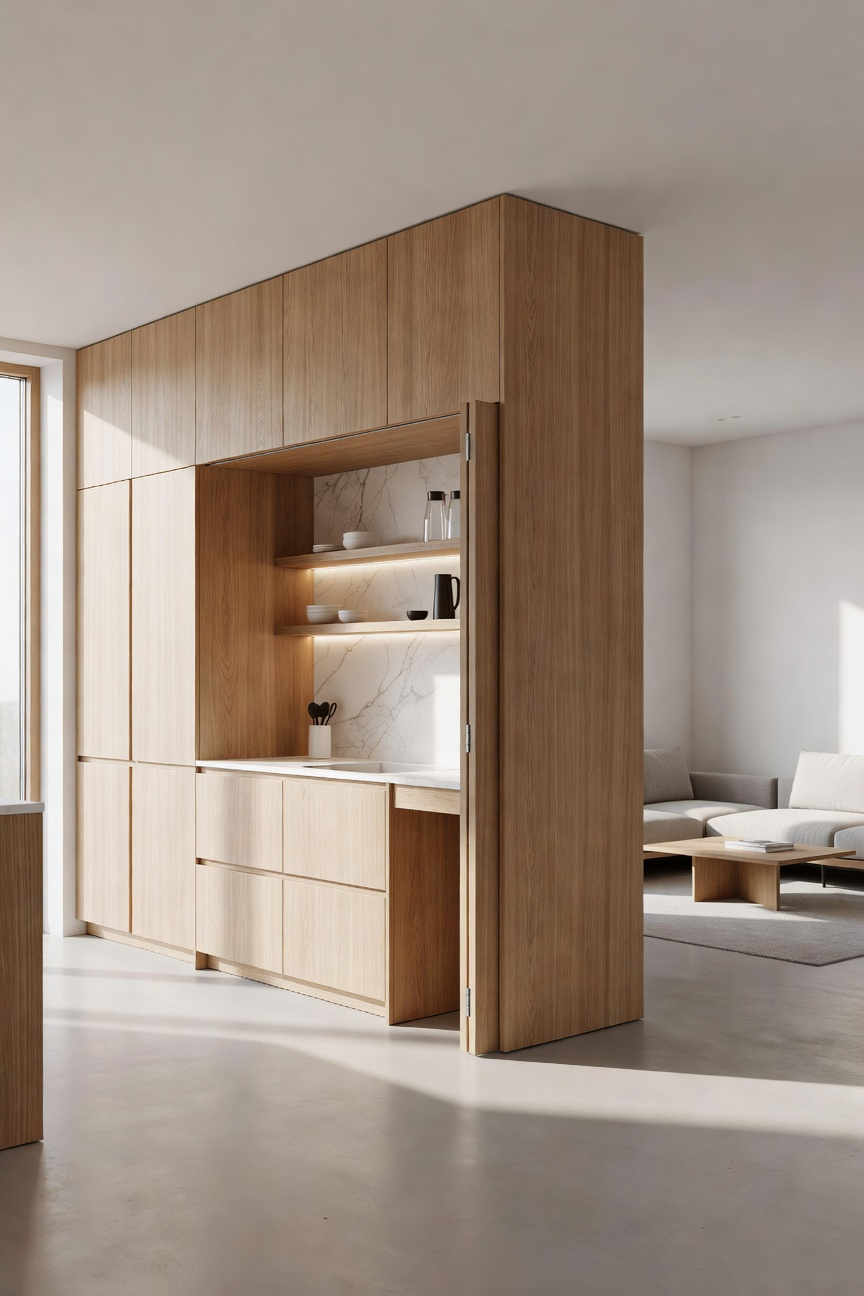
To achieve this, builders rely on precise “zero-reveal” engineering. Innovative systems like folding pocket doors can hide entire workstations in seconds. A subtle 10mm shadow gap creates a weightless, floating illusion near the floor. Technically, front-facing cabinet joints must remain incredibly tight to maintain this seamless look.
Visual minimalism only works when paired with sensory tranquility. We usually select soft materials like Fenix resins or warm micro-cement. These matte finishes prevent the harsh, oily sheen found in traditional kitchens. Auditory silence is just as crucial for a genuinely cozy environment. Acoustic felts and extra-low decibel appliances beautifully dampen any mechanical clatter.
This pursuit of total harmony has actually revived the classic scullery concept. Many new homes now hide heavy, messy cooking in a secondary room. The primary integrated kitchen then acts as a beautiful social backdrop. Eliminating visual noise, like bulky appliances or mismatched handles, drastically reduces daily stress. An invisible kitchen preserves the spatial harmony of your entire home. It shifts effortlessly from a demanding workspace back into a relaxing sanctuary.
Sustainable kitchen storage has moved way beyond basic aesthetic choices. Unglazed terracotta actually provides incredible preservation for everyday perishables. The material’s naturally porous structure allows internal moisture to safely evaporate outward. Internal temperatures drop dramatically while the relative humidity rises. This breathable second skin prevents your root vegetables from softening too quickly.
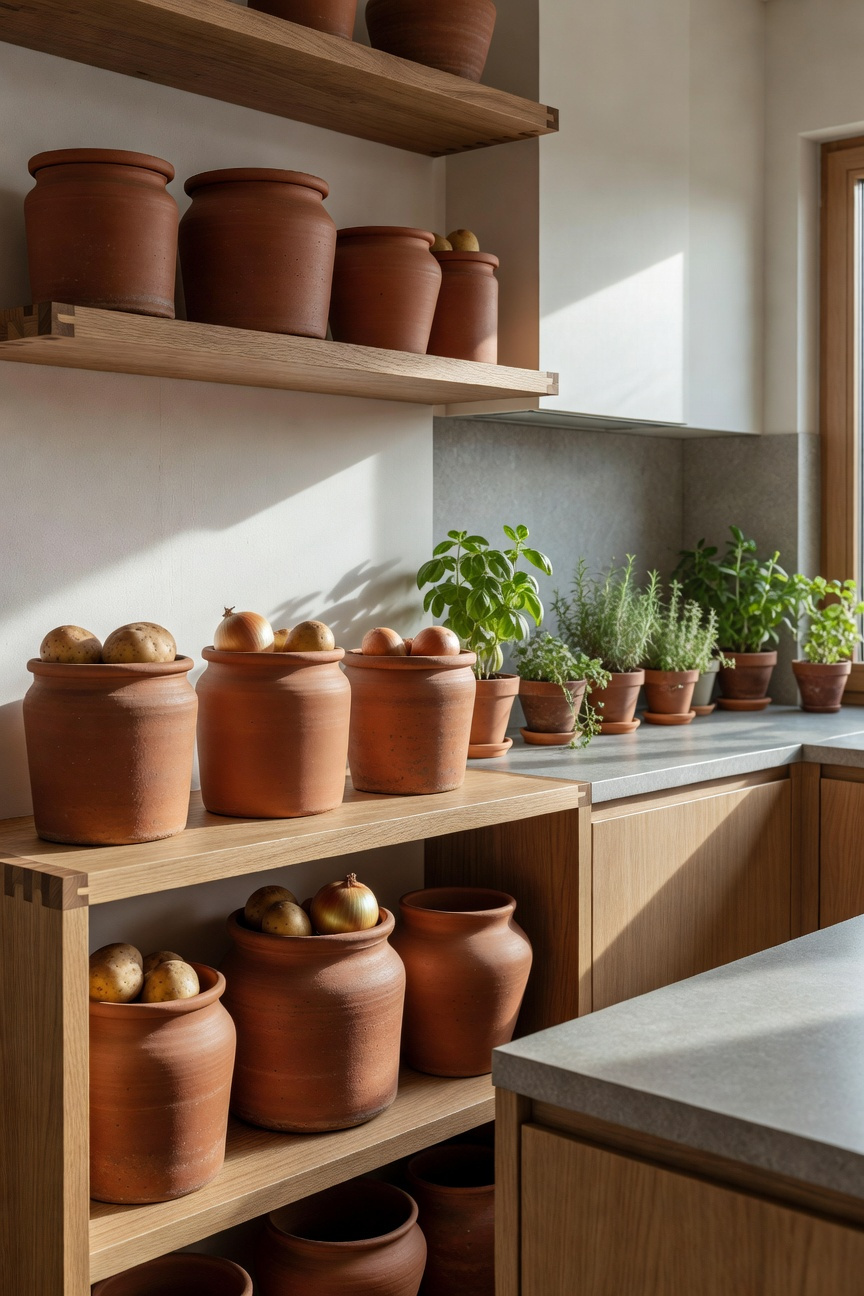
Traditional joinery techniques are also revitalizing sustainable cabinet construction. Craftsmen increasingly prefer classic dovetail joints over high-VOC chemical adhesives. These pure mechanical bonds allow organic timber to breathe naturally. Wood needs to expand and contract with fluctuating daily kitchen humidity. Solid oak and unlacquered copper develop beautifully rich patinas over the years. Gentle wood scratches and deep verdigris create a cozy, personal history. Synthetic melamine, on the other hand, just peels and chips ungracefully.
Fungal mycelium is even introducing an exciting new storage frontier. Bleached mycelium fibers create a clean, white, leather-like insulative material. Its inherent antimicrobial properties actually match the thermal performance of styrofoam. These unique traits make mycelium perfectly suited for sensitive pantry inserts.
However, balancing raw textures with rigorous kitchen sanitation requires careful thought. Highly porous natural materials can unfortunately harbor bacteria if left entirely untreated. Experts highly recommend utilizing biologically inert surface treatments. Non-toxic finishes, like natural linseed oil, safely enrich the beautiful wood grain. *Shou Sugi Ban* charring is another great option that closes natural pores through deep heat. These purposeful elements cultivate a wonderfully warm, grounded sanctuary.
Pairing moody exterior cabinetry with bright interior wood creates a stunning visual reveal. Light woods like warm ash and birch act as natural reflectors. They bounce ambient light upward, illuminating your drawer contents without needing artificial LEDs. This biophilic design element actually helps lower daily stress levels. The tactile warmth of ash also creates a softer landing for busy hands. You will typically find this level of craftsmanship in high-end modern kitchen cabinets.
Custom cabinetry usually relies on high-grade Baltic birch plywood for its hidden core. This void-free construction ensures drawers survive the extreme weight of cast-iron cookware. The cross-banded layers also resist the warping that is so common in high-moisture environments.
This logic of light stems directly from post-war Scandinavian modernism. Early designers used pale woods to maximize natural light during long, dark winters. Modern architects often prefer ash over oak for its straighter, tidier grain. A calm wooden backdrop beautifully emphasizes the organization of your storage layout.
Ash provides the perfect moderate density for crisp, tight dovetail joinery. Artisans usually apply a water-based polyurethane mixed with a hint of warm amber pigment. This finish preserves the wood’s light-reflecting properties while granting a comforting, sun-kissed glow. These light hardwoods also offer natural antibacterial properties and excellent micro-climate regulation. In fact, the porous wood actively wicks moisture away to keep your drawers fresh.
Modern kitchens often lean heavily on cold surfaces like quartz and steel. Woven rattan and willow introduce some much-needed visual warmth. These honey-hued materials perfectly embody Scandinavian design principles. Organic baskets actually function as semi-permeable lungs for your produce. Root vegetables are still alive and respiring long after harvest. They constantly consume oxygen and release carbon dioxide into the air. Solid plastic bins trap these gases quickly and accelerate decay. A woven willow basket, however, allows for 360-degree gas exchange. This natural airflow prevents humidity spikes and dangerous fungal spores.
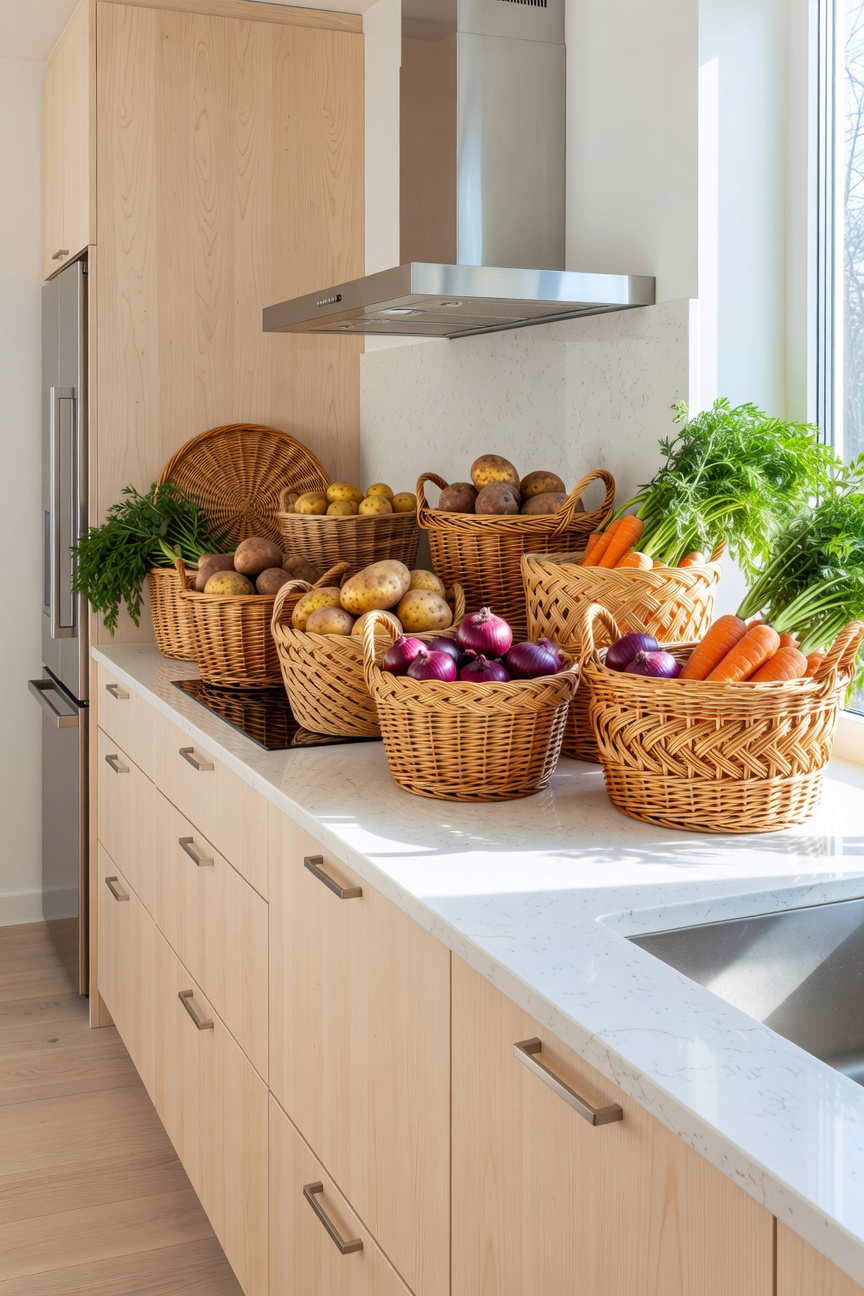
Potatoes require near-total darkness to prevent toxic greening. Thick rattan provides shadowed ventilation to keep these tubers safely dormant. Willow even contains natural tannins that act as mild organic preservatives. Both materials are highly hygroscopic by nature. They absorb excess ambient moisture during humid summer days. Later, they slowly release this moisture to prevent the vegetable skins from drying out.
However, you must never store onions and potatoes together. Onions emit ethylene gas that causes your potatoes to sprout rapidly. Instead, utilize a tiered woven stack for optimal larder organization. Place your onions in the top basket for quick gas dissipation. Keep your potatoes in a lower basket to ensure proper darkness. Tactile storage choices like this transform basic cooking into a grounded, sensory ritual.
Transforming a pantry requires more than just basic organization. It should feel like a thoughtfully curated gallery. Matching glass and ceramic jars have always signaled a certain level of luxury. Today, this unified approach simply removes aggressive commercial visual noise. We achieve a deeply calming visual quiet by ditching bright cardboard boxes. You can build visual rhythm easily by blending transparency and opacity. Glass vessels act as clear windows. They showcase the vibrant textures of your daily staples, like lentils or oats. Earthen ceramic canisters provide essential visual anchors. These opaque surfaces prevent the shelves from looking too cluttered. Grouping them in odd numbers even mimics classical still-life art.
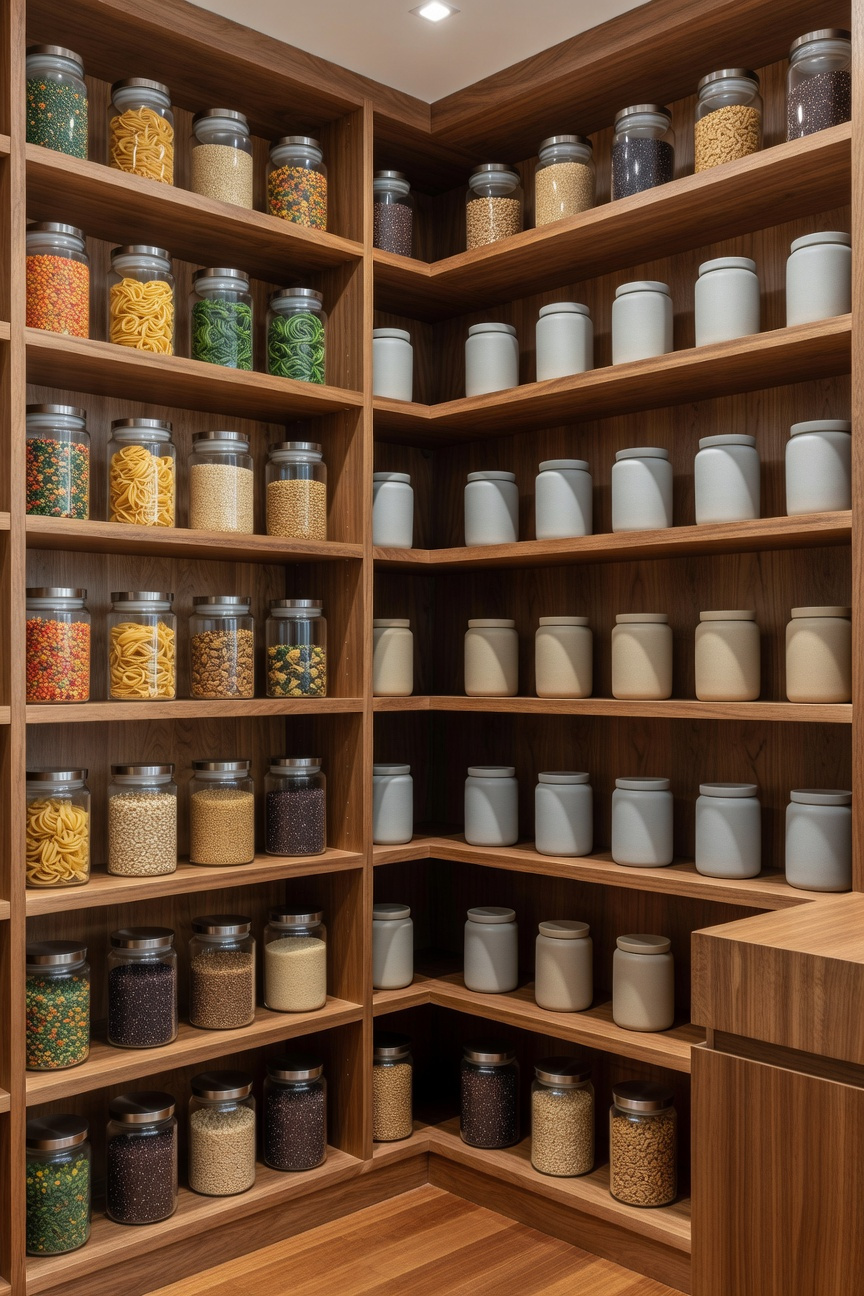
This natural material mix is also highly practical. It ensures optimal food preservation for sensitive ingredients. Dense ceramics naturally block harmful UV rays from degrading your food. They perfectly protect light-sensitive spices and specialty flours. Borosilicate glass, meanwhile, offers immediate inventory intelligence. You can quickly see exactly when your essential supplies run low.
This system also enhances the physical, tactile luxury of your kitchen. Lifting a heavy stoneware canister just feels incredibly grounded. It connects you directly to natural, earthy materials. High-end storage also prioritizes thoughtful acoustic engineering. Silicone-rimmed lids often replace loud, clanking plastic closures. They produce a gentle, muffled thud when pushed closed. This acoustic quiet genuinely helps reduce daily kitchen stress.
Scandinavian design seeks to create serene sanctuaries within our homes. Cork drawer dividers perfectly embody this specific philosophy of warm minimalism. Cork acts as a highly effective natural acoustic sink. It absorbs harsh vibrations rather than amplifying the usual kitchen clatter. In fact, a single cubic centimeter of cork contains roughly 40 million microscopic cells. These trapped air pockets can easily reduce impact noise by ten decibels. The jarring clank of stainless steel softens into a premium, muted thud.
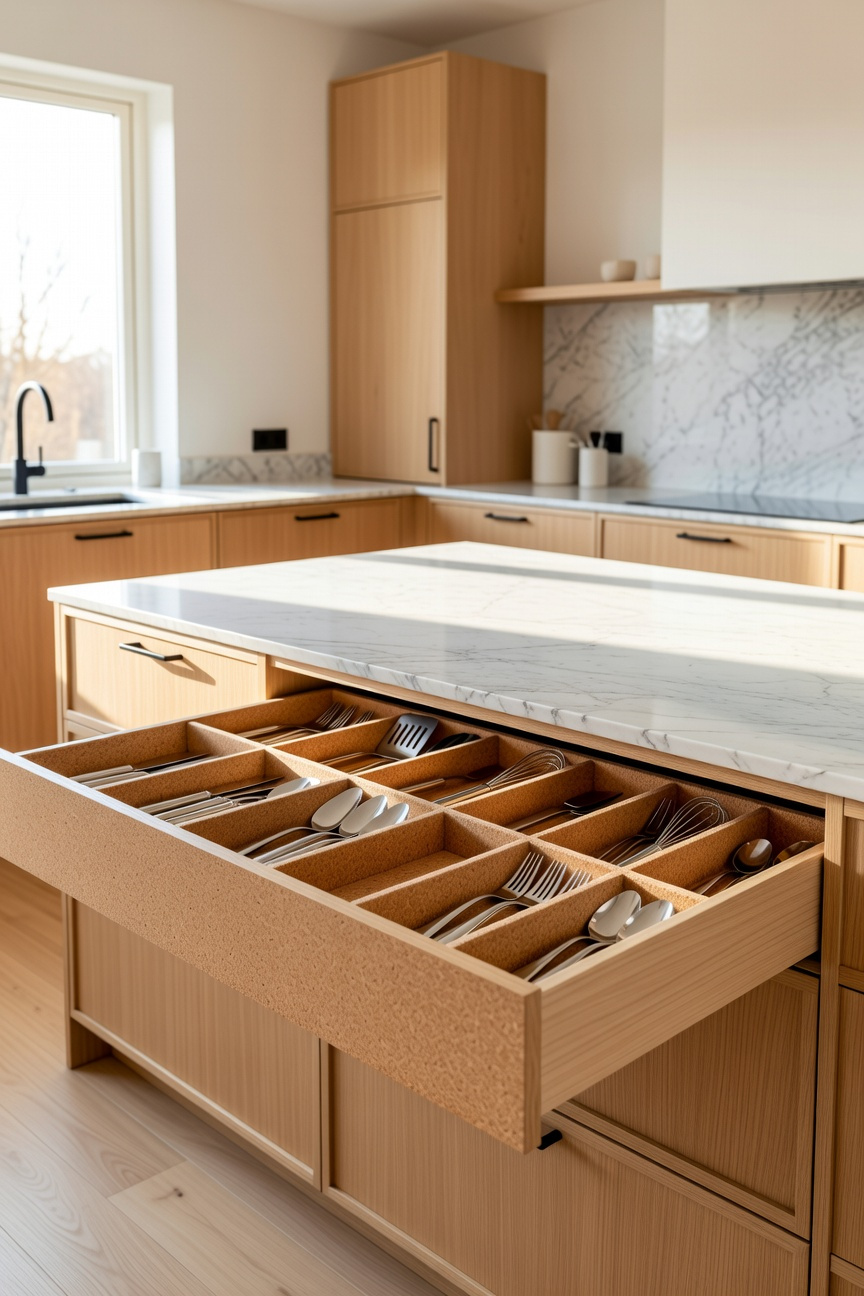
This cellular structure offers incredible kinetic resilience. The material acts as a tiny shock absorber for your heavy cutlery. Expensive chef’s knives and delicate silver retain their unblemished edges much longer. The high-friction surface also prevents your utensils from sliding into messy, frustrating pileups. Kitchen drawers demand rigorous, uncompromising hygiene standards. Fortunately, cork naturally contains suberin, a resilient, water-resistant waxy substance. This biological shield actively repels harmful mold and bacteria.
Harvesting this material also honors our natural environment. Artisans carefully strip the bark without ever cutting down the ancient oak trees. Surprisingly, harvested trees actually absorb more carbon dioxide to regenerate their bark. Adding earthy cork to your drawers brings tactile warmth and calm functionality.
Moving away from bulky upper cabinetry naturally creates a much warmer space. Patinated brass rail systems provide an elegant architectural alternative for your walls. Unlike static painted coatings, this unlacquered living finish reacts continuously with its environment. The dense metal physically records the unique culinary history of your specific home. High-touch areas become beautifully polished simply through daily use. Undisturbed corners gradually deepen into moody umbers, chocolate browns, and verdigris greens. A stray splash of acidic lemon juice will even create bright flashes of gold. This visual evolution turns basic storage into a living temporal map.
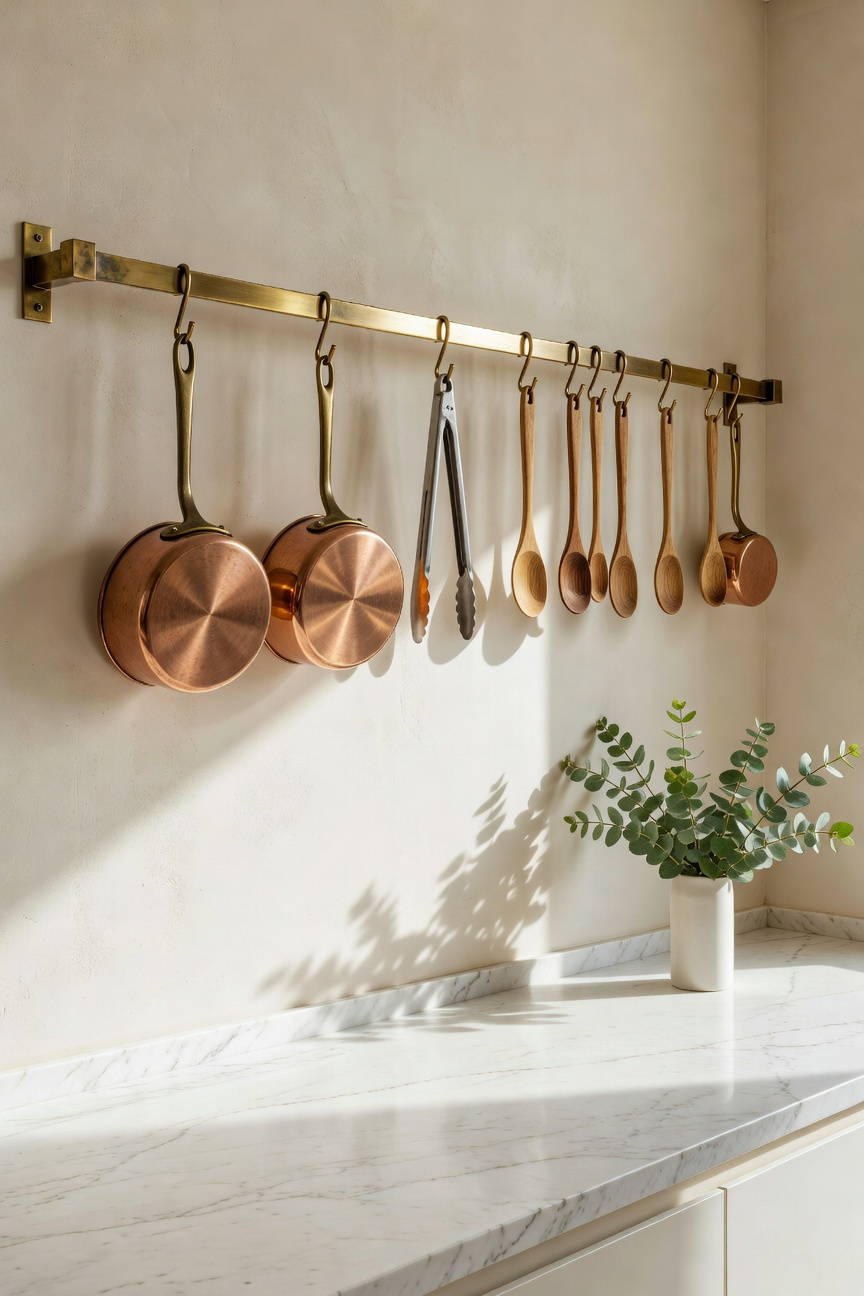
High-end artisans sometimes age these heavy rails using natural oak sawdust. This traditional fuming creates a deeply variegated, highly organic texture. A solid brass rail also offers a deeply satisfying dead weight. The low-pitched, resonant clink of a brass S-hook adds quiet luxury to the space. A continuous horizontal metal line naturally anchors the entire room. Replacing bulky upper cabinets makes a kitchen feel much wider and remarkably open. Your curated everyday tools become a rotating textural wall mural. Hand-forged copper pans and wooden dough whisks suddenly transform into functional art.
This curated gallery aesthetic initially evolved from classic 19th-century library rails. Solid brass also possesses oligodynamic properties that safely eliminate lingering bacteria on contact. The evolving patina effectively seals the raw metal against daily stove moisture. It perfectly balances sustainable hygiene with cozy, curated visual warmth.
In the final design stage, we treat drawers as intricate interior micro-landscapes. This approach replaces vast empty containers with mapped storage environments. Contrasting natural materials can organize the space beautifully. Solid walnut dividers inside white oak drawers, for example, create clear visual landmarks. These warm tones guide your eye instinctively toward what you need. Our main goal is reducing visual stutter during a busy cooking session. In fact, we want to lower the mental energy required to find basic tools. We focus heavily on cognitive ergonomics here. Ideally, a well-planned landscape reduces tool retrieval time to under two seconds.
Light also acts as a spatial divider in these smaller zones. Instead of harsh overheads, we rely on integrated LED ribbons. Motion sensors quietly activate soft beams across the drawer interior. This gentle light reclaims dark corners without adding any physical barriers. These spaces often become highly kinetic activity centers. Modular systems need to adapt easily as your culinary habits continually evolve. Most importantly, this micro-landscape must sound incredibly peaceful. We often use soft-touch linoleum liners and felt-lined dividers. Felt protects sustainable wood materials and effectively dampens loud clatter. Muffling these daily interactions noticeably softens a high-friction workspace.
Kitchens used to rely heavily on fragmented, freestanding cabinets. However, the Scandinavian approach transforms entire walls into cohesive architectural systems. This vertical integration perfectly reflects the Swedish concept of lagom. The primary goal is achieving absolute visual silence. Designers clear countertop clutter by moving it directly into the vertical plane. Utilizing floor-to-ceiling kitchen storage cabinets provides incredible capacity without adding heavy visual weight. The monolithic layout hides an astonishing amount of concealed storage. Eliminating that dusty, useless gap above traditional cabinets yields significant volume. An unbroken vertical line also makes the room feel much larger.
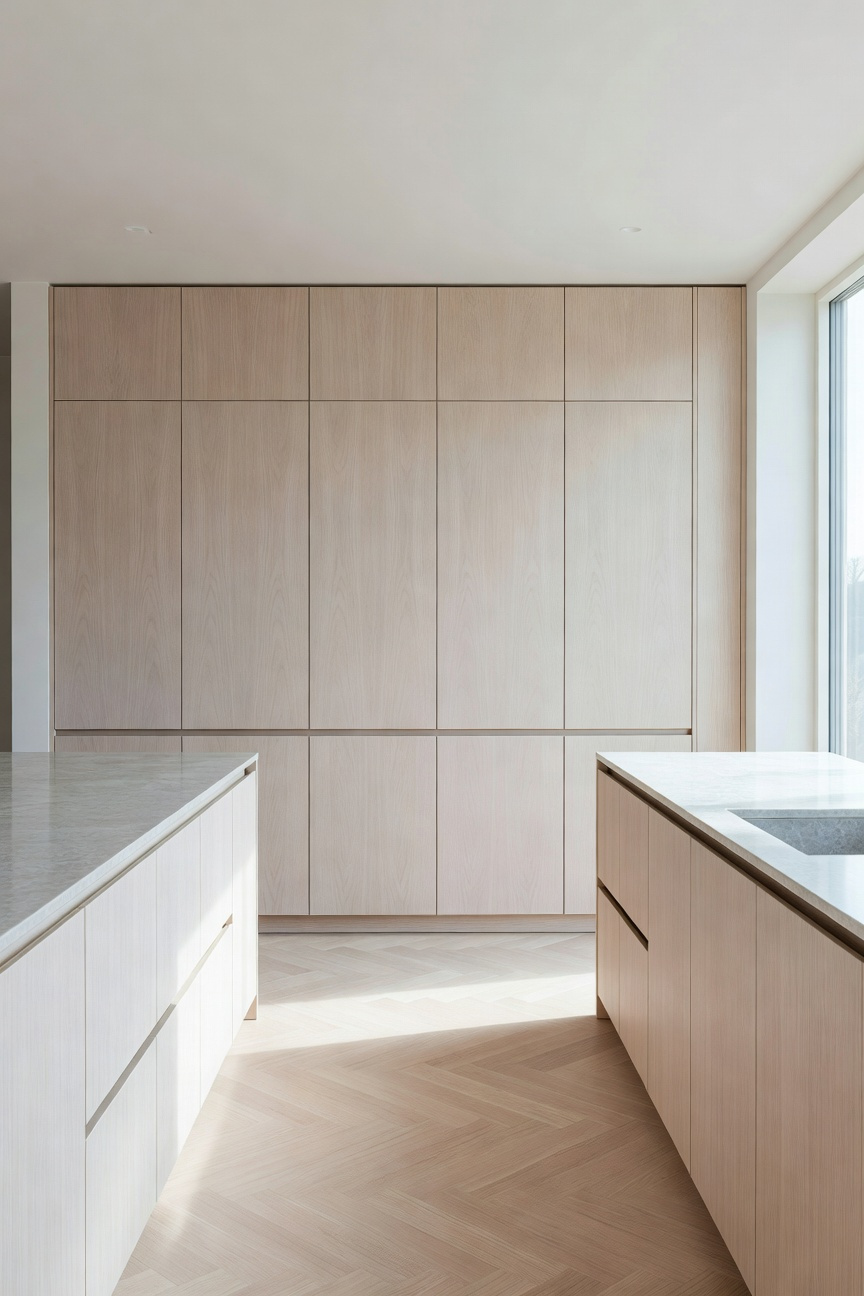
Materially, these pantries utilize tactile elements like solid bleached oak. Soft birch veneers provide a distinctly warm and cozy atmosphere. Internally, full-height pull-out mechanisms eliminate deep, dark storage corners. Modern sliding larders bring all your pantry contents out effortlessly. Small daily appliances hide completely inside waist-height appliance garages. Dark Nordic winters historically required deeply thoughtful interior lighting solutions. Warm LED cabinet lighting mimics natural sunlight beautifully.
Thick wooden doors even offer acoustic insulation to muffle a humming hidden refrigerator. These high-density systems prioritize true sustainable longevity and resilience. Premium FSC-certified timber ensures the integrated storage easily lasts for generations. Stacked vertical drawers can adapt to changing lifestyle needs over the decades.
The L-shaped blind corner used to be a dark graveyard for forgotten kitchen items. Today, Scandinavian design transforms this dead space into a highly functional storage hub. Articulating magic corners use a brilliant tandem movement to solve the accessibility problem. Pulling the door brings hidden rear baskets smoothly out into the light. This complex sliding puzzle utilizes up to eighty percent of the cabinet’s total volume. It beautifully organizes categorized dry goods and smaller culinary gadgets.
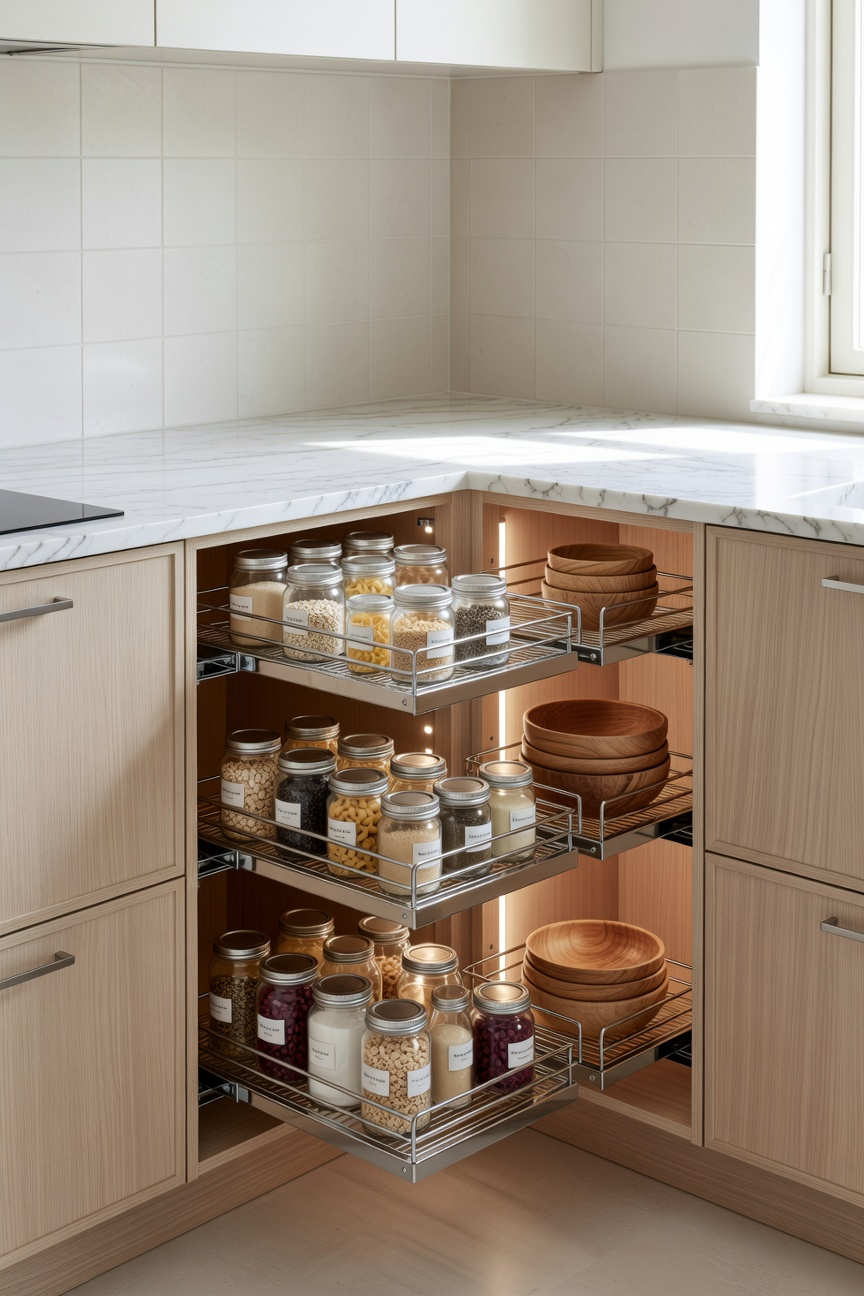
Fluid pull-out trays offer a deeply tactile and ergonomic alternative. The popular LeMans system features a distinctive, mathematically optimized peanut curve. These organic trays swing out completely independently of one another. Users gain a complete overview without having to engage the entire shelving system. The open design effortlessly supports heavy cast-iron pots without sagging. Modern kitchen innovations clearly go beyond basic utility to provide true ease of use.
Advanced slide technology ensures a weightless, gliding feel when you pull the shelf. Integrated dampers guarantee a near-silent, highly satisfying closing motion. Warm maple or walnut wooden rims often replace clanky metal wire baskets. These natural elements ground the high-tech mechanics in a cozy, sustainable aesthetic.
Standard base cabinets often waste a shocking amount of precious vertical volume. Fortunately, multi-tiered drawer systems exist to reclaim this dead space. They usually rely on a clever internal bypass mechanism. This internal pull-out design essentially creates a functional hidden room. Ultra-thin metal walls allow two separate layers to glide effortlessly over each other. The drawer becomes a hyper-organized, tiered stage for your tools. You get maximum storage while maintaining the minimalist architectural line of visual silence.
Luxury Scandinavian design always prioritizes the sensory experience. You will often see precise CNC-milled inserts made from European Walnut or Smoked Oak. These rich materials add immediate warm, organic comfort to the drawer interior. Felt-lined cutlery grids also provide essential acoustic dampening. You experience a hushed, cozy luxury rather than the harsh clinking of loose silver.
Spice storage benefits immensely from this layered approach. Delicate spices used to degrade quickly on bright, warm wall racks near the stove. Tiered drawers keep them safely cool, dark, and dry. In fact, this protected environment can effectively double their shelf life. A 45-degree ergonomic tilt allows for instant label visibility. A precise 60/40 vertical split ensures flawless daily function for the cook. Bulkier jars usually sit below while daily tools slide smoothly above.
Custom wooden grids fit sustainable glass jars perfectly. Eco-conscious homeowners can completely avoid mismatched plastic spice bottles. This transforms mere storage into a beautifully curated culinary library.
Tension-mounted dividers transform cluttered cabinets into serene, highly functional spaces. They utilize axial pressure to hold heavy items perfectly upright. Rubberized end-caps provide essential grip against the natural wood grain. This static friction prevents the rods from slipping under lateral weight. Heavy stoneware platters remain securely organized without causing cabinet damage. Experts usually recommend a dual-rod system for maximum daily stability. Placing rods at both the front and back prevents the platters from twisting.
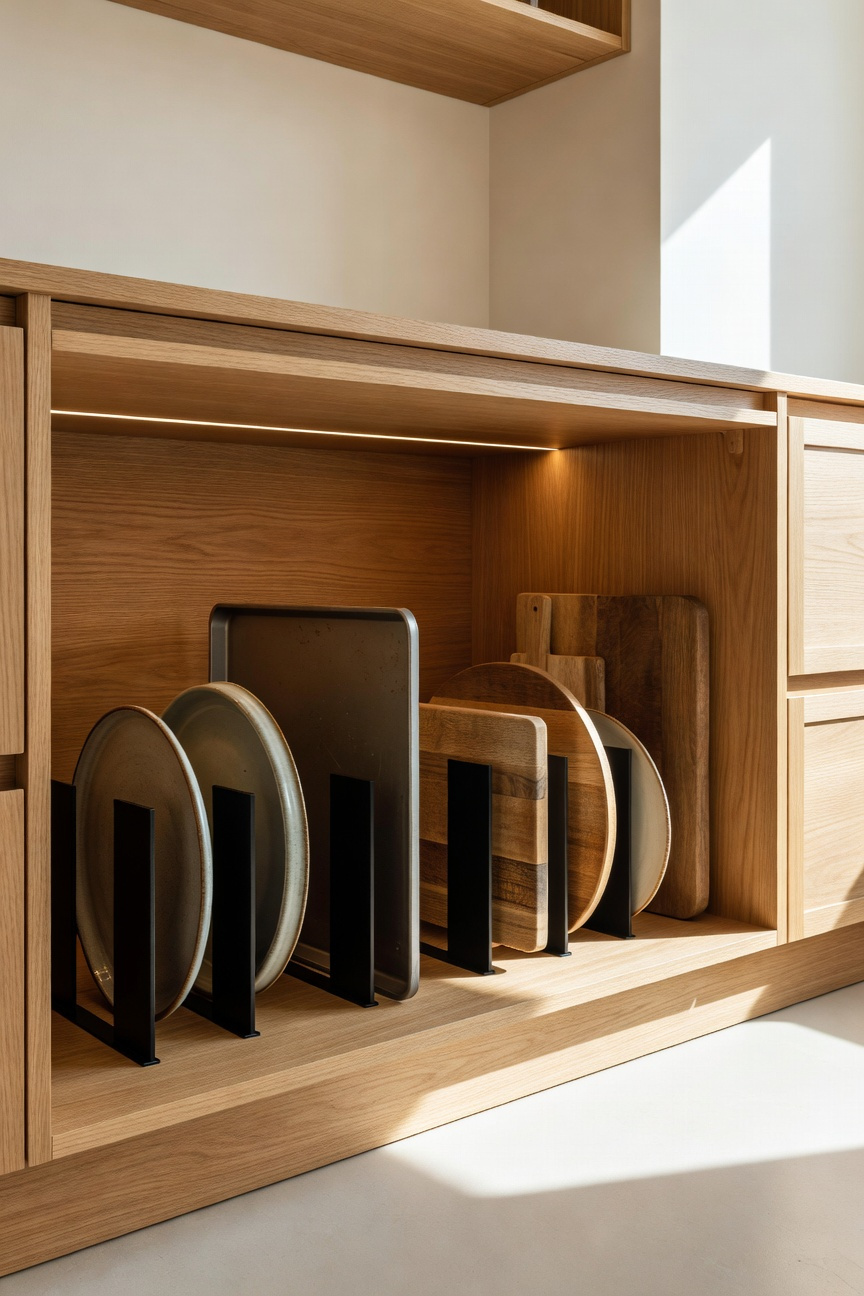
This vertical method also dramatically reduces stressful kitchen noise. Shuffling through horizontal metal stacks can generate an incredibly loud racket. Sliding pans vertically brings calm tranquility back to the workspace. The resulting silent glide minimizes mental fatigue during chaotic meal preparation.
Standing items upright naturally preserves delicate pan surface coatings. Traditional stacking forces heavy cast iron to scratch your lighter, fragile pans. In fact, that constant downward pressure causes micro-abrasions and even permanent metal warpage. Vertical slots ensure that each piece gracefully supports only itself. This mindful approach echoes the minimalist ideal of preserving your materials.
The library-like vertical system completely eliminates the frustrating Jenga effect. Users simply retrieve one platter with a single, smooth motion. This effortless accessibility helps create a genuinely comforting kitchen workflow.
Intentional open shelving represents a deliberate architectural shift in modern kitchen design. It transforms basic utilitarian storage into a highly curated display. We view the modern kitchen as a true extension of our living spaces. Removing heavy upper cabinets instantly lowers the room’s center of gravity. This simple change makes the entire space feel like a warm, welcoming gallery.
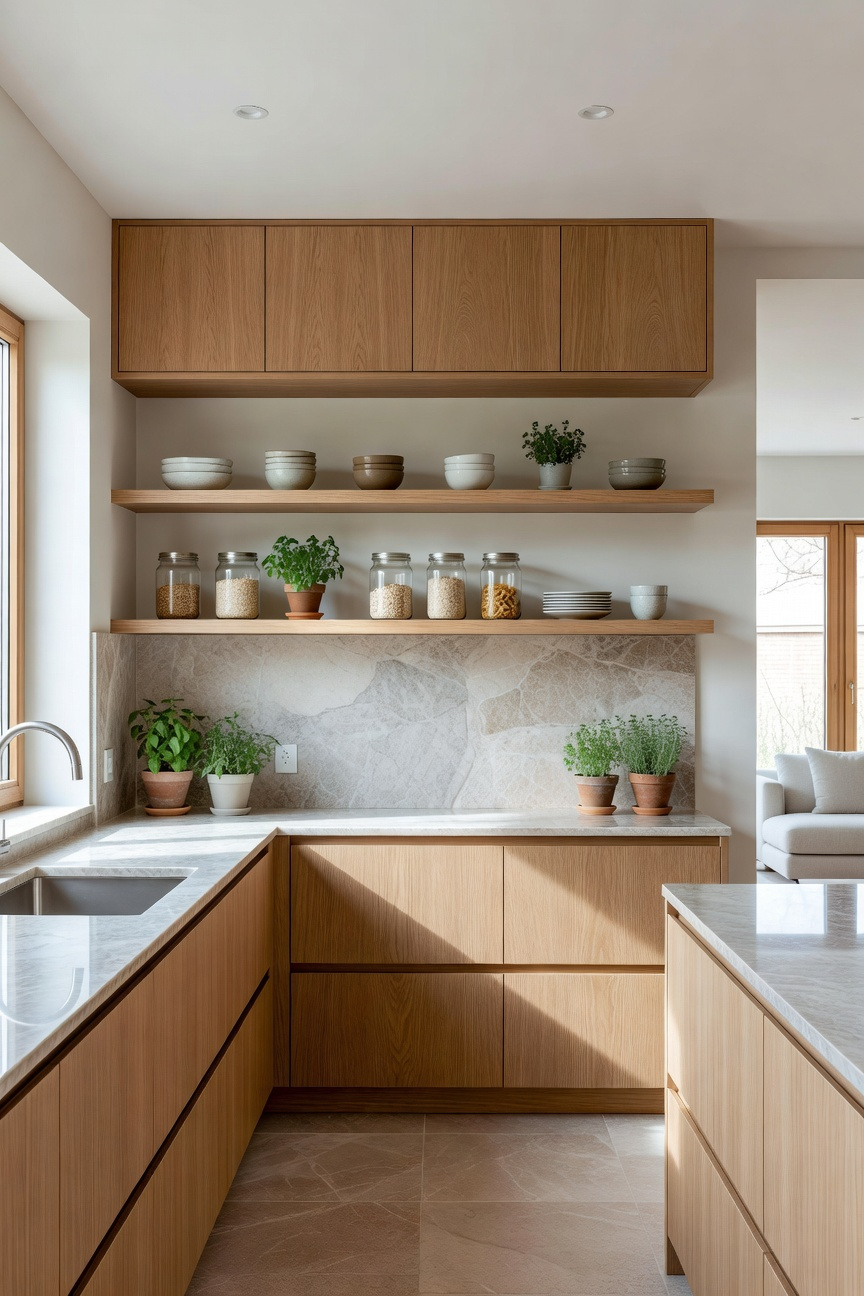
However, expert curation requires you to master the architecture of negative space. Maintaining roughly forty percent empty space on a shelf creates a pleasing visual rhythm. Without this crucial breathing room, the mind just perceives a chaotic to-do list. The choice of shelving material also drastically alters the sensory atmosphere. Solid oak shelves, for example, naturally dampen the harsh clink of heavy ceramics. Natural wood invites a grounding, tactile connection before every meal. Heavy-duty hidden brackets allow these wooden shelves to float effortlessly on the wall. They can easily support heavy stacks of everyday plates without ever sagging.
Visible storage fundamentally changes how we cook and eat on a daily basis. Humans are much more likely to use what they can easily see. Placing daily essentials right at eye level eliminates frustrating cabinet shuffling. This curates a zero-friction workflow that significantly reduces decision fatigue. Critics often worry about dust gathering on these exposed items. Fortunately, displaying only highly used daily essentials creates a natural self-cleaning cycle. This high-rotation routine keeps your minimalist kitchen feeling clean and distinctly fresh.
In this final stage of design, storage becomes a seamless part of your daily life. Experts sometimes refer to this elegant integration as functional poetry. Utilitarian objects truly deserve their own aesthetic grace. These thoughtful details create small, daily ceremonies of efficiency and deep pleasure. Modern designers champion precision engineering over rustic cliches. Solid brass and turned oak legs have largely replaced faux-distressed wood. This machined luxury feels incredibly soft and intentional. The overarching goal is designing a room with a true sense of breath. Every single tool commands a precise, logical home that matches your mental workflow. An intelligent system drastically reduces cognitive friction during complex cooking tasks.
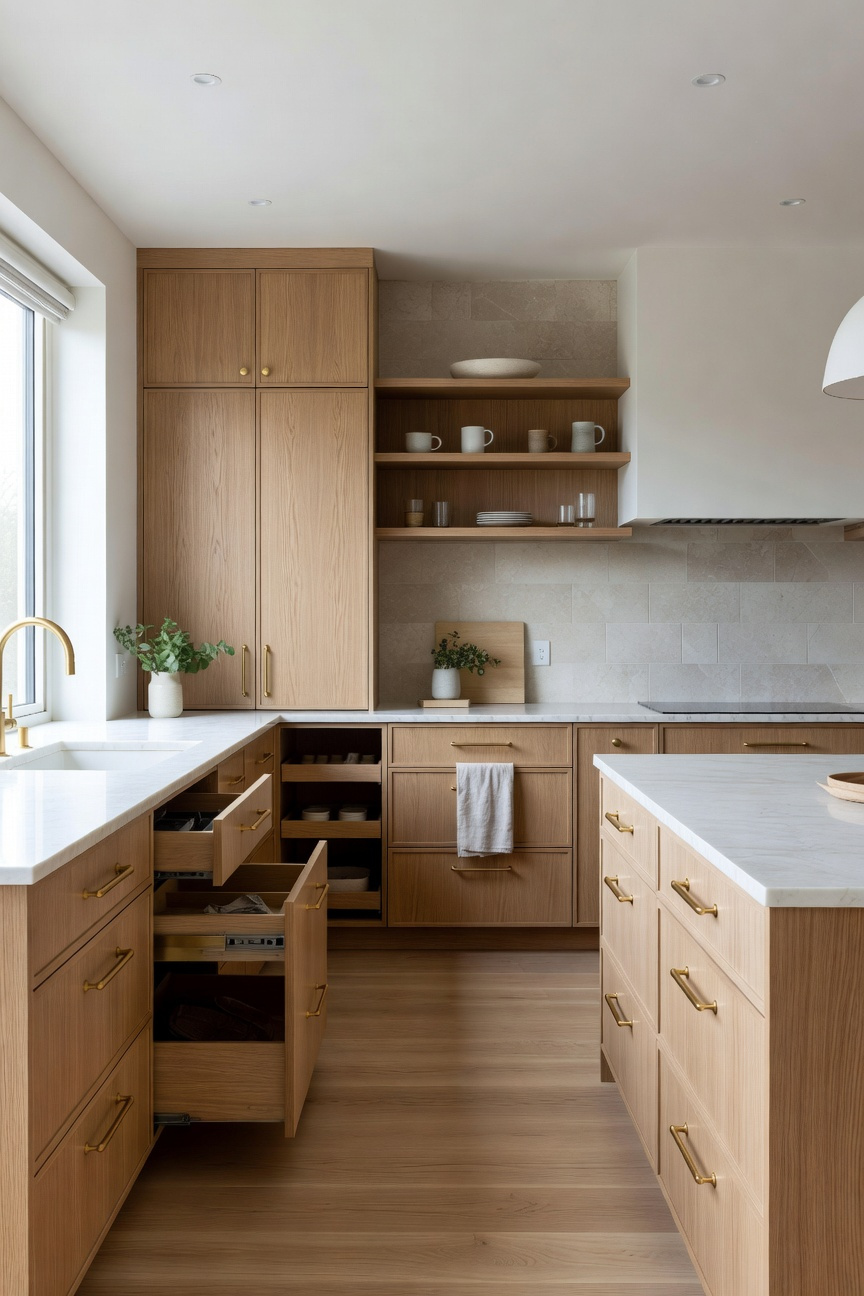
A true Scandinavian kitchen fundamentally demands visual quiet. The 2:8 principle usually governs this space. Roughly eighty percent of items disappear behind pocket doors into monolithic wall planes. Only the most meaningful, beautiful objects remain visible. Decanting dry goods into weighted ceramic vessels restores spatial harmony. Eliminating bright, chaotic brand labels actively prevents subconscious mental fatigue. Tactile materiality roots us in physical comfort. High-end hydraulic dampers, for instance, deliver absolute auditory serenity upon closing a drawer. Heavy glass jars and solid wood handles grant a subconscious sense of quality. Precision knurling on a handle makes opening a drawer a deliberate, satisfying sensory event.
The modern larder now functions as a dedicated appliance garage. This functional altar neatly hides your morning coffee rituals right at counter height. True Shaker beauty has always rested on accessible, unpretentious efficiency. Hybrid kitchen storage solutions provide a predictable, comforting rhythm. Your mind consistently feels grounded and completely safe within the space.
The Fika Station elevates kitchen storage into a dedicated architectural zone for the Swedish coffee ritual. This concept moves way beyond simple coffee nooks by embracing visual silence. Designer cabinetry utilizes sliding pocket doors to completely conceal sensory-heavy beverage tools. The room remains a quiet, minimalist space when the doors are closed. Opening the station reveals a warm, contrasting sensory landscape built from natural materials. Cool matte exteriors, for example, often hide rich, ribbed oak interiors. Sustainable cork shelf liners effectively dampen the loud, jarring noise of morning coffee grinders. Warm-dim LED lighting perfectly mimics the cozy glow of your favorite local café.
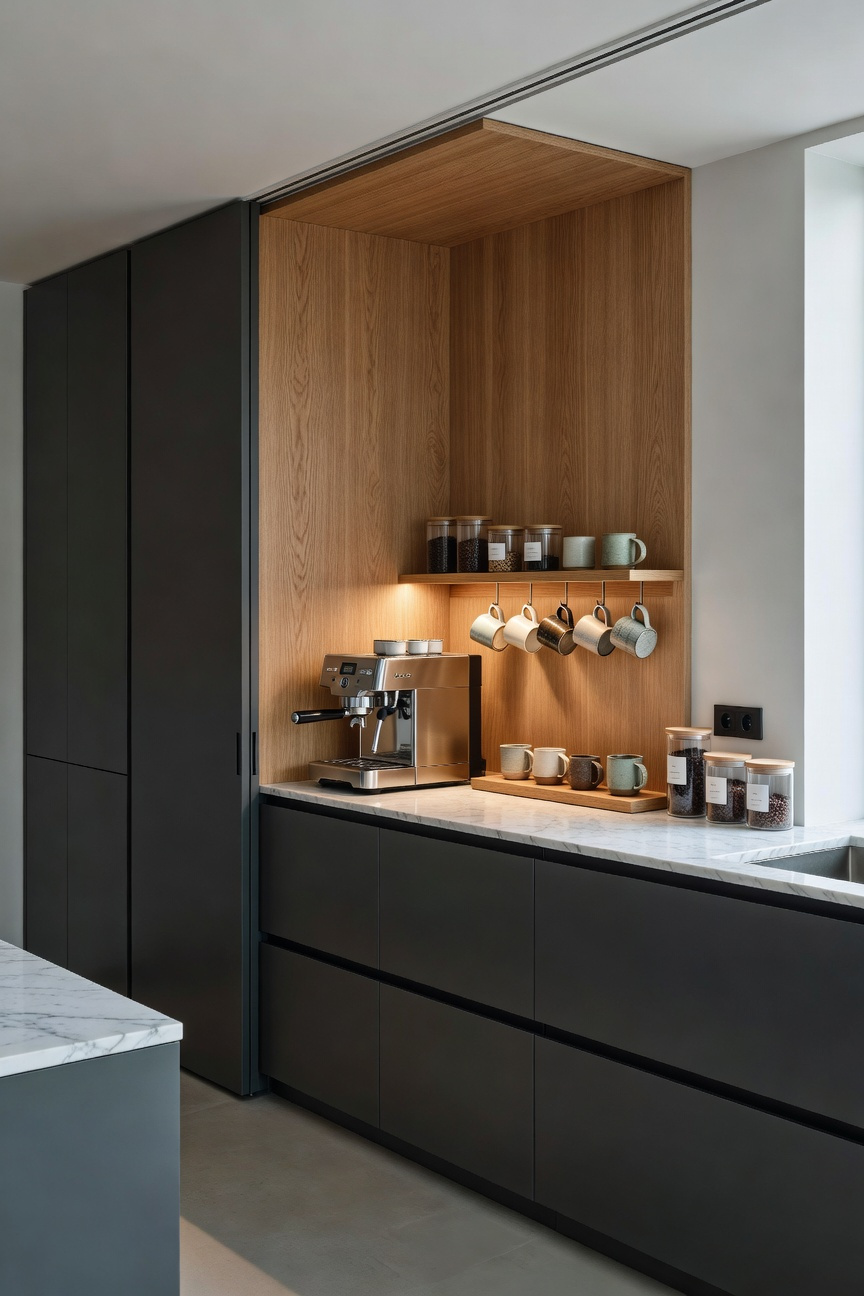
Safety and technical functionality must balance this beautiful interior aesthetic. Expert designs often include a solenoid switch to automatically cut appliance power when the doors close. Stone-lined interiors protect the surrounding woodwork from intense espresso machine steam. A direct water line and a pitcher rinser keep the daily cleaning process completely contained. This storage logic removes cognitive friction by separating your rituals from the busy cooking zones. A dedicated physical boundary actively protects your intentional pause for connection and rest. Later in the day, these flexible wooden spaces easily transition into elegant evening cocktail bars. Integrated cool drawers keep milk chilled in the morning and cocktail glassware ready at night.
True Scandinavian design embraces sustainability without ever sacrificing daily comfort. Modern waste management has evolved into a synchronized kitchen dance. These choreographed recycling centers now sit discreetly right within your prep zone. This smart placement significantly reduces the cognitive load of cooking and cleaning. It effortlessly increases recycling efficiency during intensive meal preparation. A clever compartmental layout gently nudges your sustainable habits in the right direction. Dedicated bins neatly separate paper, plastics, and organic compost. This purposeful architecture transforms raw waste into valuable secondary resources.
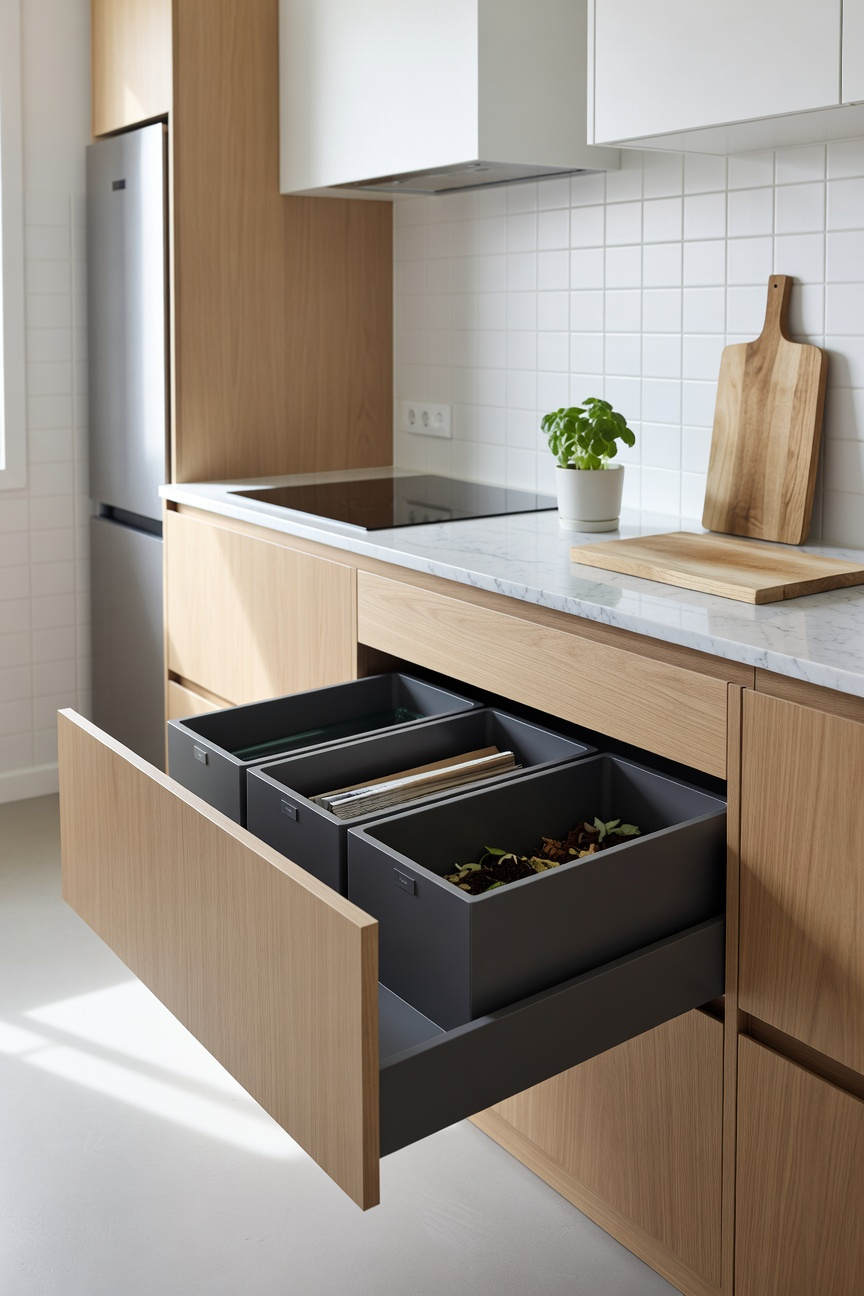
Acoustic engineering plays a surprisingly vital role in this calming aesthetic. High-end systems utilize hydraulic damping for a whisper-quiet glide. The drawer opens with identical physical effort regardless of the bin’s current weight. This kinetic consistency builds a soothing muscle memory over time. Managing odors remains absolutely essential for a pleasant environment. Advanced units often feature lids that seal into hermetic rubber gaskets. Integrated carbon filters actively trap lingering odors and excess moisture. This technology maintains a fresh atmosphere throughout your minimalist space.
Hands-free toe-kickers offer the ultimate expression of functional luxury. A gentle tap easily opens the drawer when your hands are covered in flour or grease. Your kitchen remains a perfectly hygienic, responsive haven.
True Scandinavian design embraces both modern minimalism and functional history. Heirloom display nooks offer a profound way to honor your ancestral cookware. Kitchen alcoves historically contained roaring hearth fires. Today, these spaces serve as intentional, minimalist galleries. They showcase just one or two cherished pieces. A grandmother’s seasoned cast iron skillet, for example, rests beautifully against natural rift-cut oak.
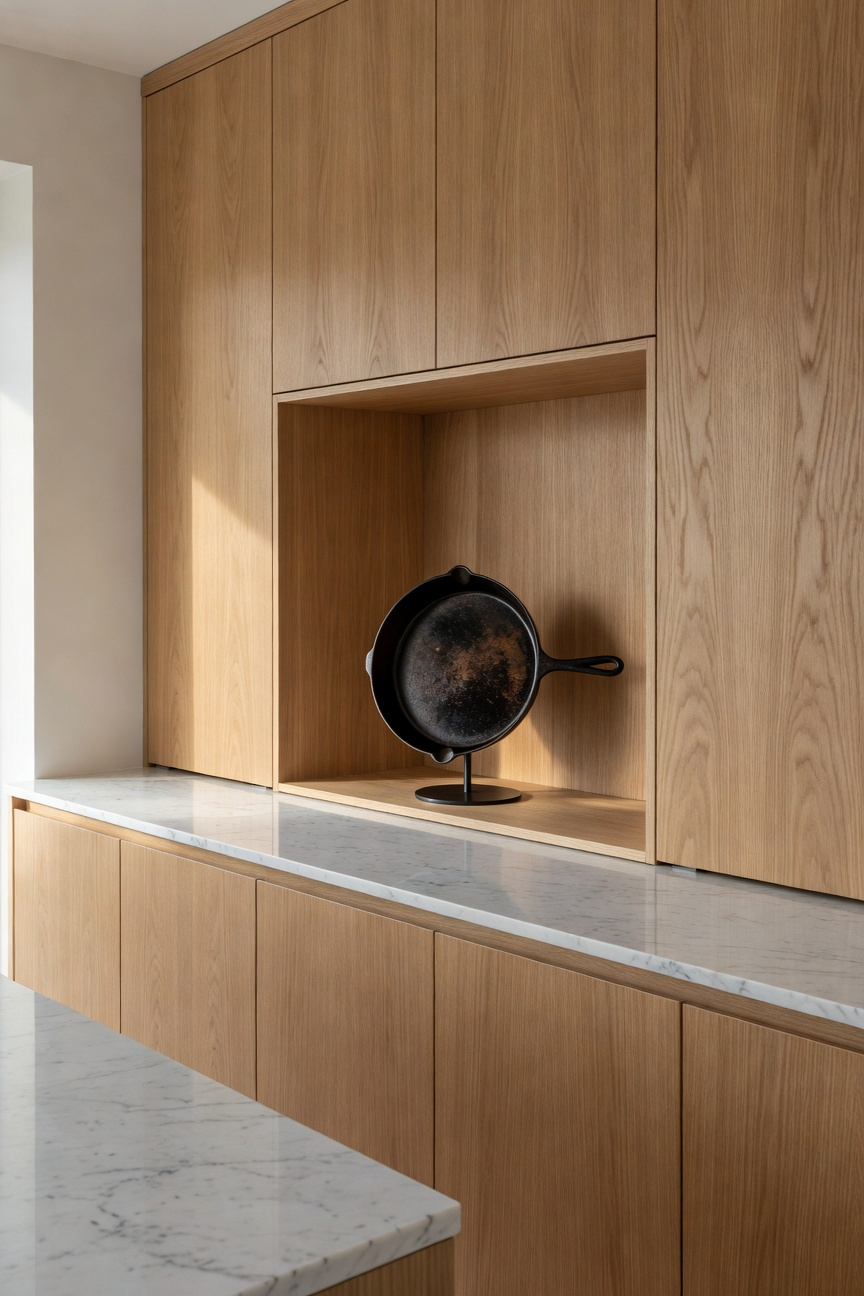
However, displaying heavy metal requires robust structural engineering. Standard wall cabinets cannot easily hold these dense weights without bowing. Designers often rely on side-panel connectors and furniture-grade plywood boxes to support the load. Concealed steel headers reinforce these purposeful display cutouts. Visually, this creates a stunning contrast of textures. The sleek precision of modern cabinetry highlights the organic patina of vintage copper. The tactile coldness of a marble base grounds the warm metal.
Lighting plays a crucial role in this specific sensory experience. Warm white LEDs at around 2700K nicely mimic a cozy hearth glow. Placing hidden lights at the front edge prevents harsh, blown-out backlights. This angle casts a soft, sculptural shadow behind the pan instead. A dedicated display space prevents unnecessary visual clutter. It grounds the modern home with a deep sense of lineage. The simple cooking tool becomes a revered work of functional art.
A breathable kitchen moves beyond simple organization and steps into environmental psychology. Treating empty areas as functional design tools directly fosters daily mental clarity. In traditional Japanese design, this intentional spatial interval is called Ma. Scandinavian minimalism embraces this exact same concept to create cozy comfort. A perfectly clear countertop acts as a powerful visual palette cleanser. Visual noise from exposed gadgets just acts as a constant to-do list for your brain. Every visible blender or toaster triggers unnecessary cognitive stress. To combat this, designers often advocate for the 60-30-10 negative space rule. This structural approach prevents the room from feeling suffocating.
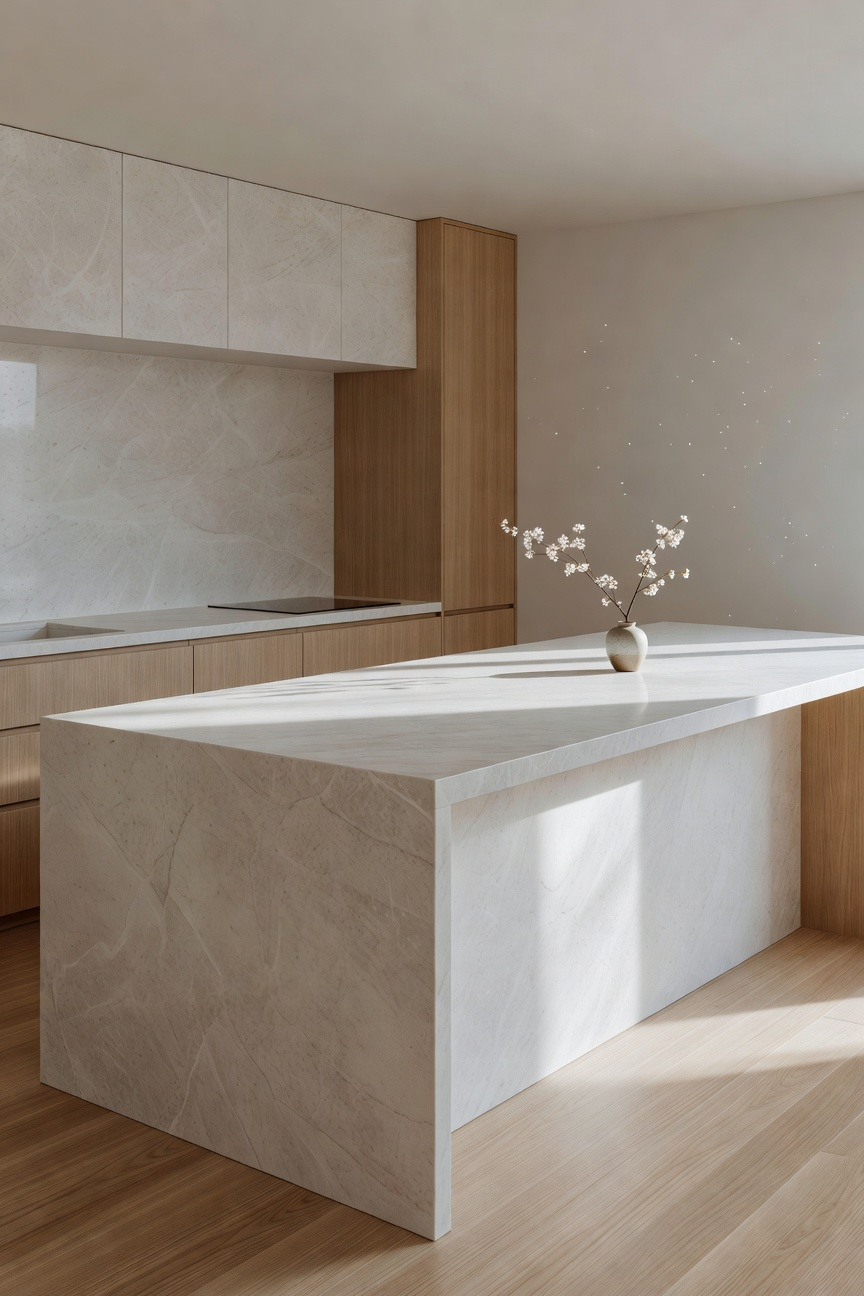
A truly breathable space addresses both acoustic and olfactory clarity. Hard surfaces like marble or glass often create a stressful acoustic trap. Incorporating soft negative space through sustainable wood slats helps dampen the sound. Cork and felt-lined drawers absorb the harsh clatter of daily life. This auditory calm directly prevents hidden cortisol spikes. Cluttered spaces can even cause aroma fatigue, which dulls our sense of taste. Open layouts with high-efficiency ventilation finally let the room exhale.
Invisible storage solutions serve as the lungs of these modern spaces. Appliance garages behind pocket doors hide the inevitable visual chaos of cooking. Warm timber cabinetry integrates seamlessly to protect your visual horizon. The kitchen shifts from a demanding workshop into a genuinely restorative sanctuary.
Maximizing storage in a premium kitchen requires a combination of vertical integration and custom interior organization. Designers often utilize floor-to-ceiling cabinetry and “zero-reveal” pocket doors to hide appliances. They also implement deep, full-extraction drawers with sustainable wood dividers to ensure every inch of space is easily accessible.
Sustainable kitchen organization prioritizes natural, long-lasting materials like FSC-certified ash and oak. Unglazed terracotta is excellent for produce preservation, while cork provides incredible acoustic dampening. These materials are eco-friendly and develop a beautiful patina over time, offering a more durable alternative to synthetic plastics.
The “invisible kitchen” is a design philosophy where storage and appliances are flush-integrated into the home’s architecture. Builders use pocket doors, seamless panels, and handle-less cabinetry to help the kitchen dissolve into the broader living space. This creates a clutter-free environment that promotes visual quiet and daily mental clarity.


